
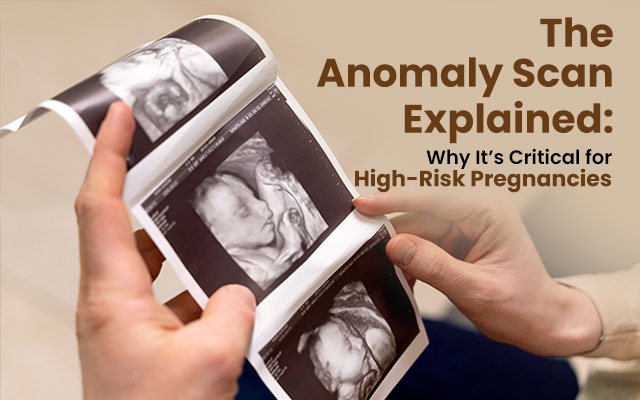
Pregnancy demands careful monitoring to ensure the health of both mother and baby. An anomaly scan can provide crucial insights into your baby’s health.
Get to know what the anomaly scan is, why it matters for high-risk pregnancies, what it can detect, and how you should prepare for it. By the end, you will understand the scan’s importance and how it helps ensure safer outcomes for both mother and child.
Understanding the Anomaly Scan
What Is an Anomaly Scan?
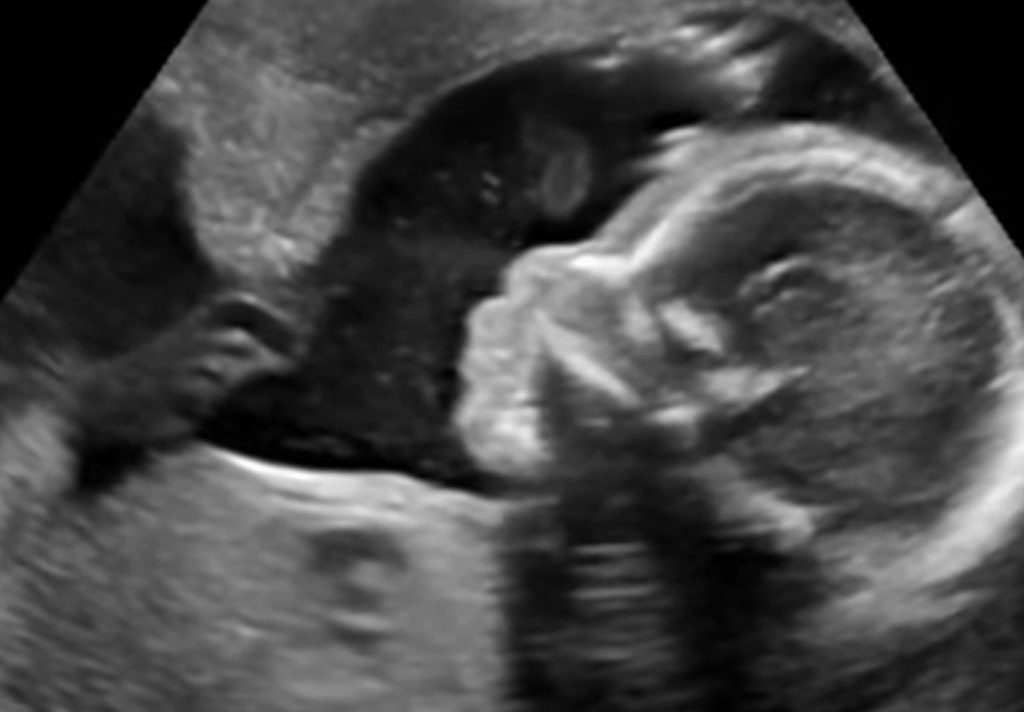
An anomaly scan during pregnancy is a detailed ultrasound that evaluates fetal development. It identifies structural abnormalities, growth issues, and organ formation. This scan helps detect congenital conditions early. It is typically performed between 18 and 22 weeks of gestation. Doctors recommend it especially for women with high-risk pregnancies or previous complications.
When and How It Is Performed
An ultrasound scan during pregnancy is non-invasive and painless. The patient lies on a couch while a technician applies gel to the abdomen. A probe captures high-resolution images of the fetus. The scan usually takes 20–45 minutes, depending on fetal position and clarity. Advanced equipment allows 3D and 4D imaging for more precise evaluation.
Importance of High-Risk Pregnancies
Identifying Fetal Abnormalities
Women with previous pregnancy complications or chronic health conditions benefit most. High-risk pregnancy care ensures potential issues are detected early. The anomaly scan identifies structural abnormalities and guides treatment decisions. Timely detection allows interventions that improve outcomes for both mother and baby.
Detecting Growth and Development Issues
Monitoring fetal growth is critical in high-risk cases. The anomaly scan measures fetal size, organ development, and amniotic fluid levels. Early detection of growth restriction or overgrowth helps doctors plan prenatal care and delivery. This proactive approach supports healthier pregnancies and reduces complications.
What the Scan Can Reveal

Structural Abnormalities
The anomaly scan can detect heart defects, cleft lip, kidney malformations, and spinal anomalies. Early identification helps doctors plan treatments, surgery, or delivery methods. It allows parents to make informed decisions and prepare for potential medical needs.
Placental and Amniotic Fluid Issues
A fetal health check during the scan evaluates placental position, cord insertion, and amniotic fluid levels. Abnormalities here can indicate risks like preterm birth, growth restriction, or complications during delivery. Detecting these issues early allows timely intervention.
Preparing for the Anomaly Scan
Pre-Scan Guidelines
Preparation is simple but essential. Patients should stay hydrated, wear comfortable clothing, and bring prior medical records. Some scans require a full bladder for better imaging. Discuss medications or supplements with your doctor before the procedure.
What to Expect During the Procedure
Pregnancy scan preparation ensures the process goes smoothly. The scan is non-invasive, painless, and takes around 30 minutes. A technician guides the probe to capture clear images. Parents may see real-time images of their baby. The doctor explains observations and notes areas requiring follow-up.
Interpreting the Results
Understanding Normal vs. Abnormal Findings
Normal results show proper growth, organ formation, and fluid levels. Abnormal results may indicate structural defects, growth restriction, or chromosomal anomalies. Doctors compare findings to standard fetal development charts. Clear communication ensures parents understand the implications.
Next Steps if Abnormalities Are Detected
A pregnancy risk assessment is crucial if abnormalities appear. Additional tests like amniocentesis, NIPT, or further ultrasounds may be advised. Doctors outline treatment options, delivery plans, or referrals to specialists. Early counselling and intervention improve maternal and fetal outcomes.
Follow-Up and Care
Additional Tests and Monitoring
High-risk pregnancies often require repeat scans, fetal growth monitoring, and additional diagnostic tests. Regular monitoring ensures that any changes in fetal condition are addressed promptly. Antenatal screening tests complement anomaly scans to provide comprehensive care.
Counselling and Support for Expectant Mothers
Prenatal care guidance includes emotional support, education, and counselling. Parents learn how to manage risks, understand procedures, and prepare for delivery. Ongoing support reduces anxiety and builds confidence during pregnancy.
Case Study: Ensuring a Safe Pregnancy with an Anomaly Scan at Fetomat Wellness
A 28-year-old woman, with a history of four pregnancies (two previous miscarriages and one living child), was referred to Fetomat Wellness after an anomaly scan performed elsewhere showed abnormal findings suggestive of Duodenal Atresia. It is a congenital condition where a baby is born with a blockage or complete closure in the first part of the small intestine (duodenum), preventing normal passage of food.
Challenges:
The patient and her family were extremely distressed, as Duodenal Atresia often leads to poor fetal outcomes. Accurate confirmation was crucial before making any major pregnancy decisions.
Procedure:
At Fetomat Wellness, a detailed follow-up scan was performed by the expert fetal medicine team using advanced ultrasound technology. The fetus was examined thoroughly for signs of intestinal blockage or related anomalies, with careful evaluation of the fetal abdomen and surrounding structures.
Findings:
On detailed assessment, there was no evidence of Duodenal Atresia. Instead, the team identified an abnormally positioned, distended gallbladder, which explained the misleading earlier observation.
Outcome:
This accurate diagnosis at Fetomat Wellness prevented an unnecessary pregnancy termination. The patient and her family were reassured, and the pregnancy was allowed to continue safely under close medical supervision.
Through expert evaluation and advanced imaging, Fetomat Wellness once again demonstrated how precise fetal diagnosis can protect both mother and baby — preventing avoidable interventions and ensuring the best possible outcomes.
Prioritise Your Baby’s Health
An anomaly scan in Kolkata is essential for high-risk pregnancies. It identifies structural and growth issues early. It also provides guidance for interventions and follow-up care. Parents gain clarity, reassurance, and actionable insights to protect maternal and fetal health.
Partner with Fetomat Wellness for Expert Fetal Care
At Fetomat Wellness, we provide a comprehensive anomaly scan in Kolkata. Our advanced equipment and experienced specialists ensure accurate detection, personalised guidance, and continuous support. From fetal health checks to prenatal care guidance, we prioritise the safety and well-being of both mother and baby.
People Also Ask
- What is an anomaly scan during pregnancy?
It is a detailed ultrasound to detect fetal abnormalities and growth issues.
- When should you get an anomaly scan?
Between 18 and 22 weeks of gestation for optimal results.
- Who needs high-risk pregnancy care?
Women with chronic conditions, previous complications, or advanced maternal age.
- What does a fetal health check involve?
It evaluates growth, organ development, placental position, and amniotic fluid levels.
- What happens if the scan shows abnormalities?
Doctors perform a pregnancy risk assessment and recommend additional tests or interventions.
6. Is the anomaly scan safe for mother and baby?
Yes, it is a non-invasive and safe ultrasound scan pregnancy procedure.
7. How long does an anomaly scan take?
The scan takes 20–45 minutes depending on fetal position.
8. Can an anomaly scan detect all congenital conditions?
It detects most structural and growth-related abnormalities, but some conditions may require additional tests.
9. Do you need any special preparation for the scan?
Follow pregnancy scan preparation guidelines like staying hydrated and wearing comfortable clothing.
10. Will you get images of your baby during the scan?
Yes, the scan provides real-time images and helps track fetal growth monitoring.