
Home > Blog

Prenatal Testing Before Pregnancy – What Are Some Types Of Tests Conducted?
Prenatal testing, such as screening and diagnostic exams, can provide important details about the health of your unborn child. Recognize the advantages and hazards. You might think about an invasive prenatal diagnostic test if a screening test reveals a potential...

What Is The Need For Prenatal Screening?
Prenatal screening tests are done to detect genetic disorders in unborn babies. These tests help identify conditions that may cause serious problems if not treated early on. Prenatal screenings are performed at different points in pregnancy, depending on the condition...

What Is The Need For 4D Ultrasound Examination?
Fetal behavior is defined as any movement or expression of the fetus observed by the mother or identified by an objective test like ultrasound or cardiotocography (CTG). It has been determined through analysis of the dynamics of prenatal behavior and morphological...
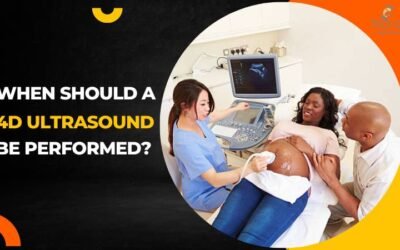
When Should A 4D Ultrasound Be Performed?
In gynecology, ultrasound is frequently employed. Unlike 3D ultrasound, which only generates a hazy image of the baby, 4D ultrasounds are able to display the infant with total accuracy, in real-time, and at any stage of gestation. The face, hands, feet, and even the...

What Is The Purpose Of Gynecology Ultrasound?
The use of ultrasound technology in gynecology dates back to the 1950s when it was first introduced to women who had experienced irregular menstrual cycles. In modern-day medicine, ultrasound technology is widely used to diagnose issues related to the reproductive...

What Are The Top Benefits Of Fetal Echocardiography?
Fetal Echocardiography (FEC) is a non-invasive method to detect congenital heart defects (CHDs) in unborn babies. In addition to detecting CHDs, FEC is also useful in determining the risk of miscarriage due to a fault. Fetal echocardiography is a diagnostic test that...