
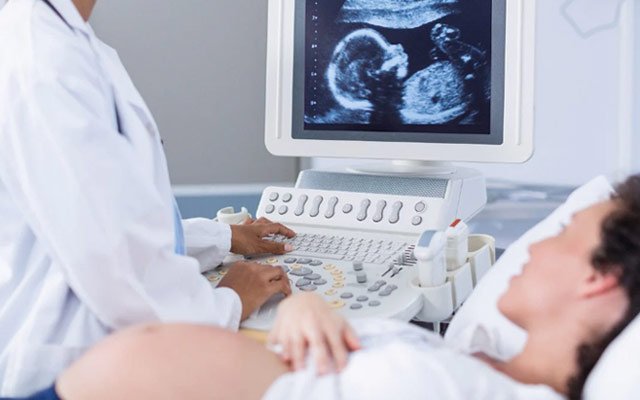
Many Kolkata couples feel confused when they hear about prenatal genetic testing. You may also feel unsure about the safety of these tests.
Read to understand what prenatal genetic testing means, why doctors recommend it, and when to consider these options. Get to know how Fetomat Wellness, a reputed fetal clinic in Kolkata, supports expecting parents with clear guidance and advanced fetal scans.
Understanding Prenatal Genetic Testing
Prenatal genetic testing helps check your baby’s chromosomes, organs, and genetic health before birth. Doctors use these tests to detect possible health concerns early.
Early detection helps parents plan better care and reduces anxiety throughout pregnancy.
These tests also support routine pregnancies by providing reassurance and useful medical information.
The process stays safe and comfortable when performed by trained fetal medicine specialists.
Why Do Couples Worry About These Tests?
Many couples worry because they hear mixed information from people, relatives, or social media. Most concerns stem from assumptions rather than verified facts.
Common worries include questions about safety, discomfort, and the risk of miscarriage.
Most prenatal genetic tests carry no risk when done at a qualified fetal medicine centre.
Types of Prenatal Genetic Tests and Their Safety
Different tests serve different purposes. Understanding each test helps reduce unnecessary fear.
1. Non-Invasive Prenatal Testing (NIPT)
NIPT uses a simple blood sample from the mother. It checks the baby’s DNA fragments present in the mother’s blood.
It detects conditions like Down syndrome and other chromosomal issues. There is no physical contact with the baby, so the test is completely safe.
Doctors often recommend NIPT for women seeking early reassurance.
2. First-Trimester Screening
This screening includes the NT scan and blood markers. It checks early signs of chromosomal conditions and evaluates pregnancy health.
Doctors use ultrasound markers and blood tests to assess risks. This process involves no invasive steps. It remains safe for all pregnancies.
3. Anomaly Scan (20–22Weeks)
The anomaly scan studies every organ in the baby’s body. It checks the brain, spine, heart, kidneys, bones, and facial structures. This scan helps detect structural conditions early.
The scan uses ultrasound technology, which is safe for the mother and baby. Most couples consider this scan the most important mid-pregnancy assessment.
4. Fetal Echocardiography
Doctors advise this scan for pregnancies with additional risk factors like IVF conception or a previous heart concern. It studies the baby’s heart in detail while checking its rhythm, chambers, connections, and flow patterns.
Ultrasound waves used in this test do not harm the baby. It is completely safe and highly recommended for high-risk cases.
5. Diagnostic Tests: CVS and Amniocentesis
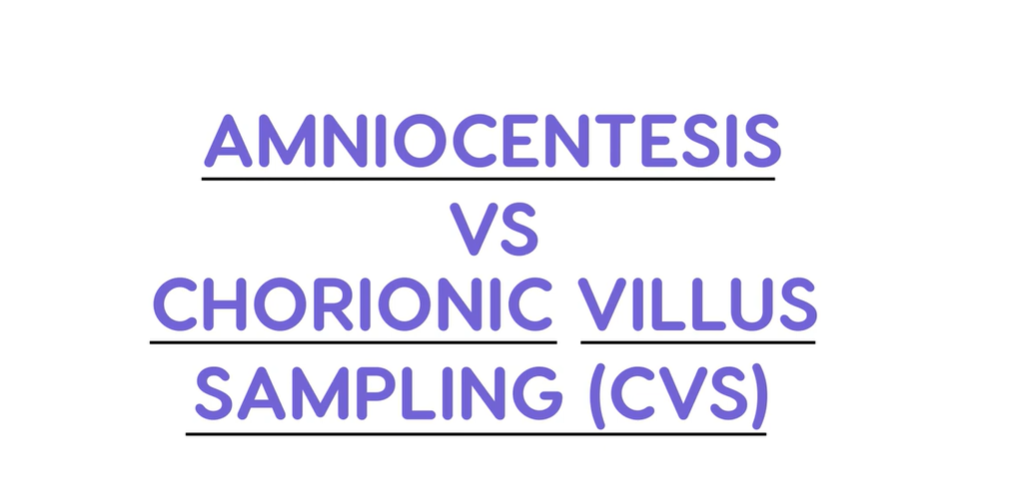
Chorionic Villus Sampling (CVS) and amniocentesis are diagnostic tests.
Doctors perform them only when needed, usually after abnormal screening results.
They provide final confirmation of genetic conditions.
| Test Type | Safe for Baby | Purpose | Method |
| NIPT | Yes | Check chromosomal risks | Blood |
| NT Scan | Yes | Early risk screening | Ultrasound |
| Anomaly Scan | Yes | Structural evaluation | Ultrasound |
| Fetal Echo | Yes | Detailed heart assessment | Ultrasound |
| Amniocentesis | Mostly safe | Genetic confirmation | Needle |
| CVS | Mostly safe | Chromosome analysis | Sampling |
Trained fetal medicine specialists perform these procedures under strict safety protocols.
Risk is extremely low when done at an advanced fetal clinic with skilled specialists.
Are These Tests Safe? Expert Evidence Explained Clearly
Global medical organisations consider these tests safe when done correctly.
Ultrasound-based tests have no radiation. For instance, NIPT uses only maternal blood.
Most concerns arise from myths or old information. Modern fetal medicine practices ensure high safety for mother and baby. Your safety improves when you choose an experienced fetal medicine centre.
Such centres use advanced equipment and follow international guidelines.
Why Kolkata Couples Need Accurate Information
Many couples in Kolkata do not receive correct information about prenatal testing. They rely on unverified sources or assumptions.
Lack of awareness causes stress, delays, or incorrect decisions. Accurate information helps parents understand why screening is important. It also helps them avoid unnecessary fear during pregnancy.
Fetomat Wellness, a reliable fetal clinic in Kolkata, offers clear guidance, factual explanations, and safe screening options.
Benefits of Prenatal Genetic Testing
Prenatal testing offers several advantages. Below are the most important ones:
• Early reassurance
You gain clarity about your baby’s development.
• Early detection of concerns
Doctors can start timely monitoring or care if needed.
• Better pregnancy planning
You receive more accurate guidance throughout pregnancy.
• Safer delivery planning
Doctors prepare for any specific needs during delivery.
• Informed decision-making
You understand your pregnancy better with factual information.
Who Should Consider Prenatal Genetic Testing?
Many women benefit from these tests in the following situations:
• Age above 35
• IVF pregnancy
• Family history of congenital concerns
• Previous pregnancy with genetic conditions
• Abnormal first-trimester screening results
• Recurrent pregnancy loss
An expert fetal medicine specialist will recommend suitable tests based on clinical needs.
Why Fetomat Wellness Is Trusted by Kolkata Couples
Fetomat Wellness is a leading fetal medicine centre in Kolkata. Their specialists:
- Manage routine and high-risk pregnancies daily
- Use advanced ultrasound machines and follow global safety guidelines
- Offer clear communication and personalised care plans
- Help parents understand every test without confusion
- Their fetal medicine team handles complex cases with proper guidance
Fetomat Wellness offers services like:
• NT scan
• Early pregnancy scan
• NIPT
• Anomaly scan
• Fetal echocardiography
• Growth scans
• Genetic counselling
• High-risk pregnancy management
Their care process follows structured steps and ensures complete clarity.
How Prenatal Testing Reduces Stress
Prenatal testing removes guesswork from pregnancy. You feel more confident when you know your baby’s development status.
Early screenings prevent unnecessary fear later. Accurate information supports proper planning.
Stress reduces when you understand each step clearly. A good fetal clinic helps maintain this clarity.
Should You Fear Prenatal Genetic Testing?
No. You should not fear prenatal genetic testing when performed at a qualified centre.
Most tests carry no risk.
Diagnostic tests have a very low risk under expert supervision. These tests protect your pregnancy through early awareness.
They help you understand your baby’s health better. Choosing an experienced fetal clinic ensures safe and accurate care.
What You Should Remember
Prenatal testing helps you understand your baby’s health early. It
- Supports safe pregnancy planning
- Gives reassurance when everything appears normal
- Identifies concerns early when guidance matters most
- Protects maternal health and supports better outcomes.
You deserve correct information and expert care, not fear or confusion.
A Clear Path Forward
If you want accurate guidance, choose an expert fetal medicine centre. Experienced doctors help you understand each scan without confusion.
Your pregnancy feels safer when specialists guide every step. Fetomat Wellness supports you with structured assessments and personalised advice.
Your Pregnancy Needs Expert Clarity
Book your consultation at Fetomat Wellness, the trusted fetal clinic in Kolkata, for safe prenatal testing, expert scans, and personalised fetal medicine care.
Your questions matter, and their specialists give clear answers that support confident pregnancy decisions. To know more, contact 9230997445
People Also Ask
1. Can prenatal genetic testing detect all genetic conditions?
No. These tests detect major chromosomal and structural concerns, not every condition.
2. Do routine scans replace genetic testing?
No. Routine scans check the structure, and genetic tests check chromosome-related risks.
3. Does NIPT replace an anomaly scan?
No. NIPT checks chromosomes while the anomaly scan checks organs and structures.
4. When should couples seek genetic counselling?
Couples should seek guidance after abnormal screening, family history concerns, or age-related risks.
5. Can prenatal testing be done for twin pregnancies?
Yes. Many screening tests and scans support twin pregnancies with proper adjustments.